Good health begins with knowledge, dignity, and access. Kimara Community Development partners with local health centers and community leaders to improve sanitation, support maternal nutrition, strengthen preventive care, and ensure girls and women can manage menstruation safely—so families can thrive.
Why Health & Wellness (and Why Now)
In rural communities, preventable illness, poor sanitation, malnutrition, and limited access to reproductive health information can affect women and children most. KCD’s Health & Wellness initiative focuses on practical education and local partnerships—so communities can protect health today and build resilience for the future.
The Challenge We're Addressing
Health barriers in remote communities often include:
- Limited sanitation knowledge and resources, increasing preventable disease
- Maternal nutrition gaps that impact pregnancy and early childhood development
- Menstrual health stigma and cost barriers, causing girls to miss school and risking infection
- Access constraints to preventive care, including child vaccinations and health awareness
KCD responds with training, monthly clinic-aligned support, and dignity-based health access.
Our Approach: 4 Ways We Improve Health & Wellness
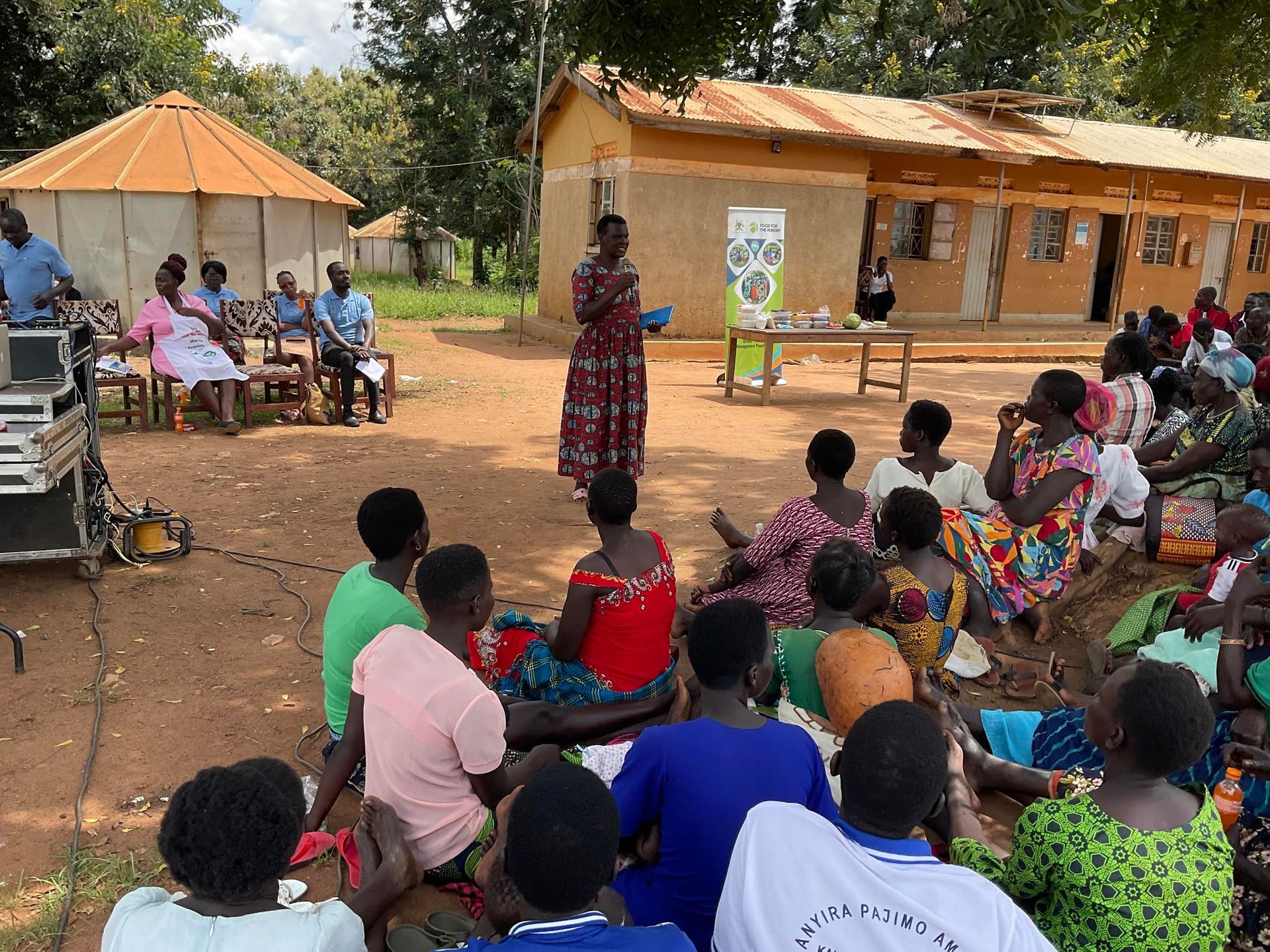
1) Santation & Hygiene Training
KCD trains community members on sanitation and everyday hygiene practices to reduce preventable illness and promote healthier households.
What your support can provide:
- Community trainings on hygiene and safe sanitation
- Practical prevention messaging that is easy to apply
- Stronger community-led habits that protect children and families
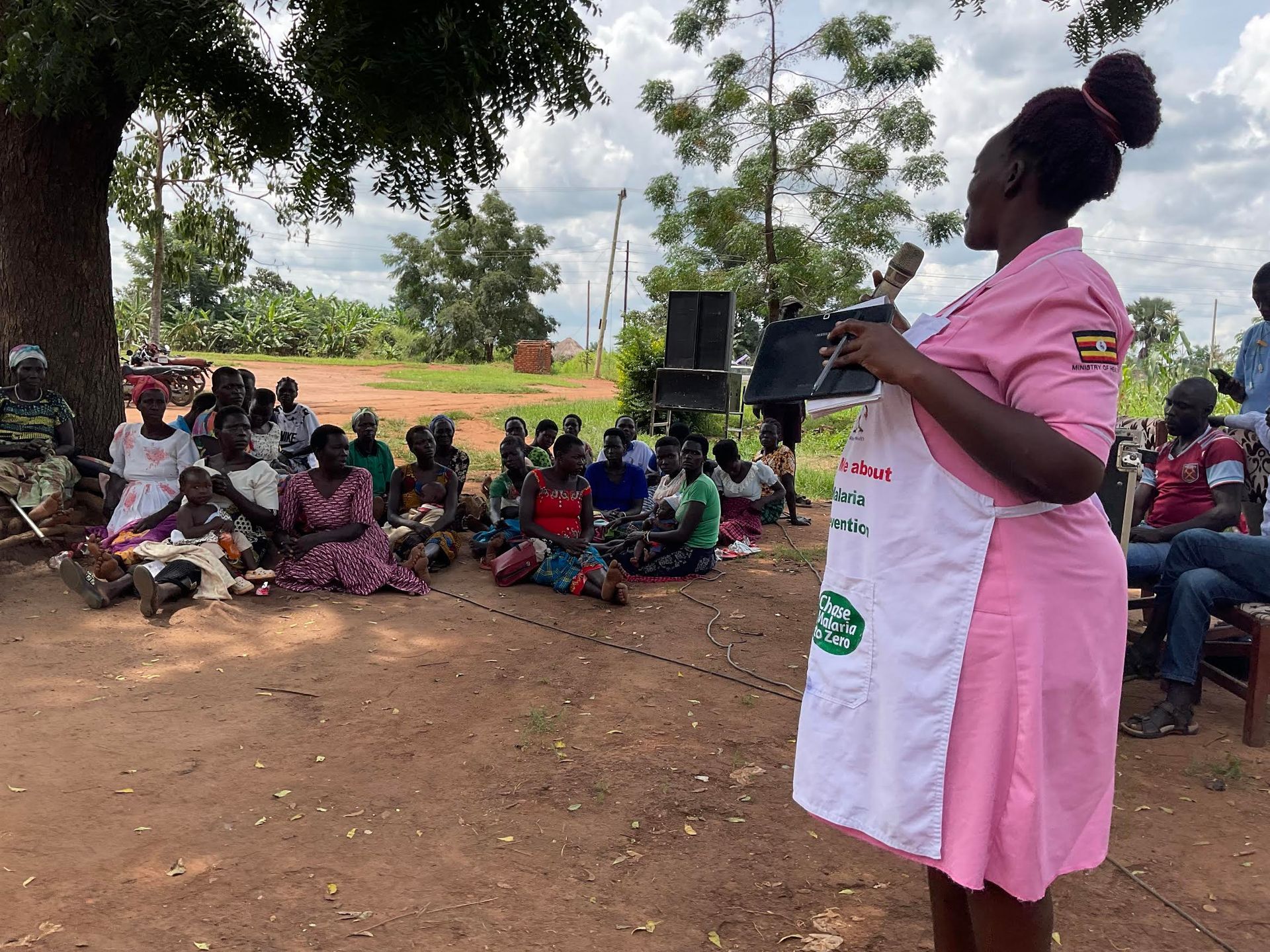
2) Maternal Nutrition & Pregnancy Support (7-Month Program)
KCD trains pregnant women on balanced nutrition and healthy foods through a 7-month program, delivered in partnership with local health centers. Mothers participate once a month, aligned with routine clinic visits and checkups.
What this program includes:
- Nutrition education using locally available foods
- Monthly learning sessions during clinic visit days
- Support that improves outcomes for mothers and babies

3) Menstrual Health & Dignity (Pads + Education)
Many rural women and schoolgirls lack access to sanitary protection and menstrual health education. Some use unsafe, undignified materials, and many girls miss school during menstruation—sometimes leading to dropout.
KCD supports menstrual dignity through education and distribution of sanitary pads, working with schools, churches, and community leaders.
KCD is also exploring manufacturing pads locally to reduce cost and scale access.

4) Providing Diaper Support to Low-Income Families
Providing diapers to low-income families can greatly improve health and wellness in villages across Uganda by helping babies stay clean, dry, and protected from infections and skin rashes. When parents have access to diapers, they can maintain better hygiene at home, reduce the risk of sickness caused by poor sanitation, and support the overall health of infants and young children. This simple support also eases the financial burden on families, allowing parents to focus more on caregiving and other basic needs.

Community Partnership (How We Work)
KCD delivers health impact through trusted local collaboration:
- Partner with local health centers to align training with real clinical care
- Coordinate with community leaders to increase participation and trust
- Use monthly clinic days for maternal program attendance and follow-up
Support outreach through volunteerism and on-the-ground coordination

Preventative Care & Outreach
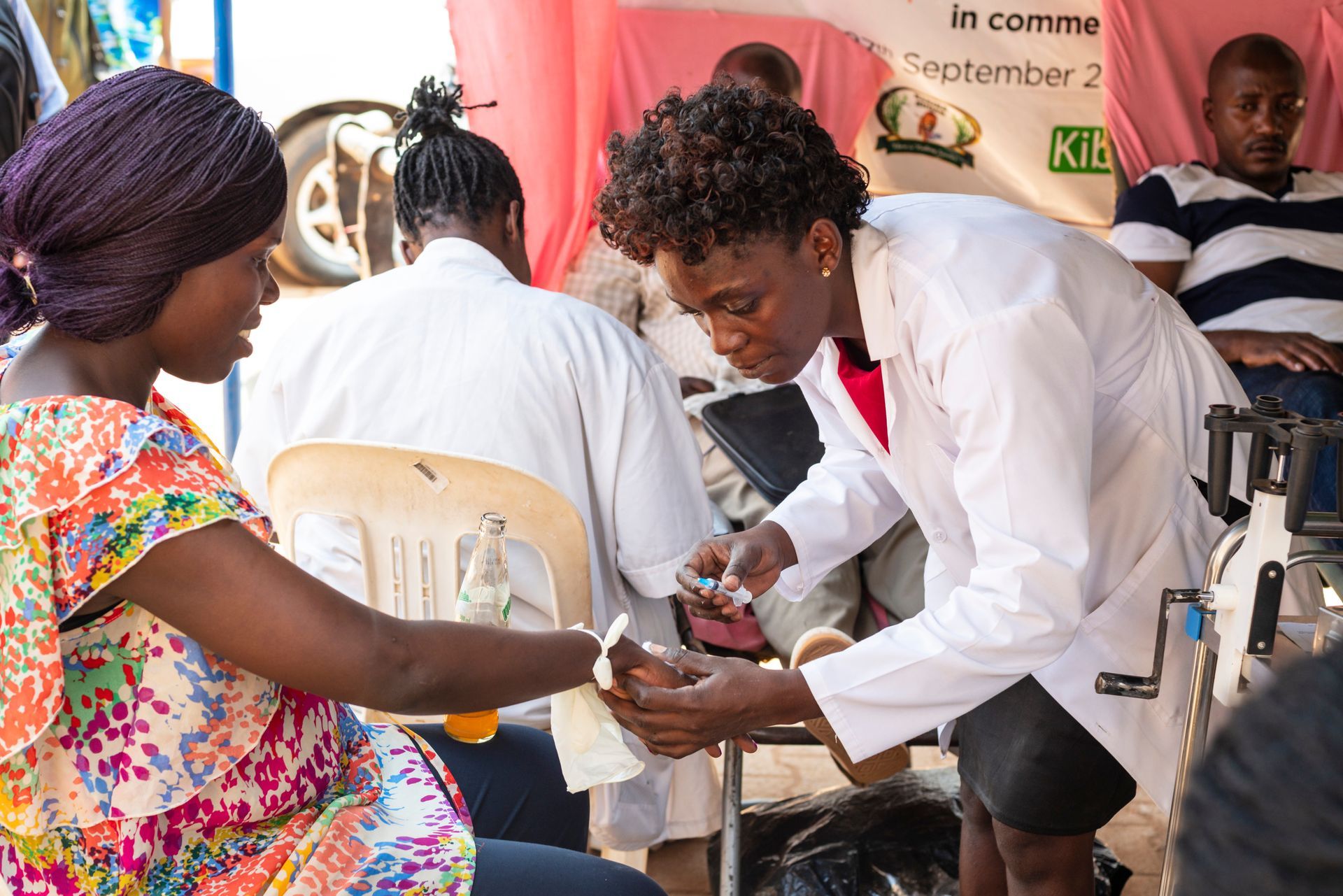
Preventive care saves lives—especially for children. KCD supports community outreach and vaccination efforts by partnering with local health centers and volunteers.
How You Can Help
Support Maternal Health:
Help fund the 7-month nutrition training and monthly clinic-aligned sessions.
Fund Sanitation Training:
Equip communities with hygiene education that prevents disease.
Support Menstrual Health:
Provide pads and education to help girls stay in school and stay healthy.
Partner With Us:
Clinics, donors, faith groups, and community organizations can co-deliver programs.