Strong communities are built when families have skills, resources, and access to essential services. Kimara Community Development invests in practical training, environmental stewardship, and clean water solutions—helping communities build livelihoods, protect natural resources, and improve quality of life for generations to come.
Why Economic & Community Development (and Why Now)
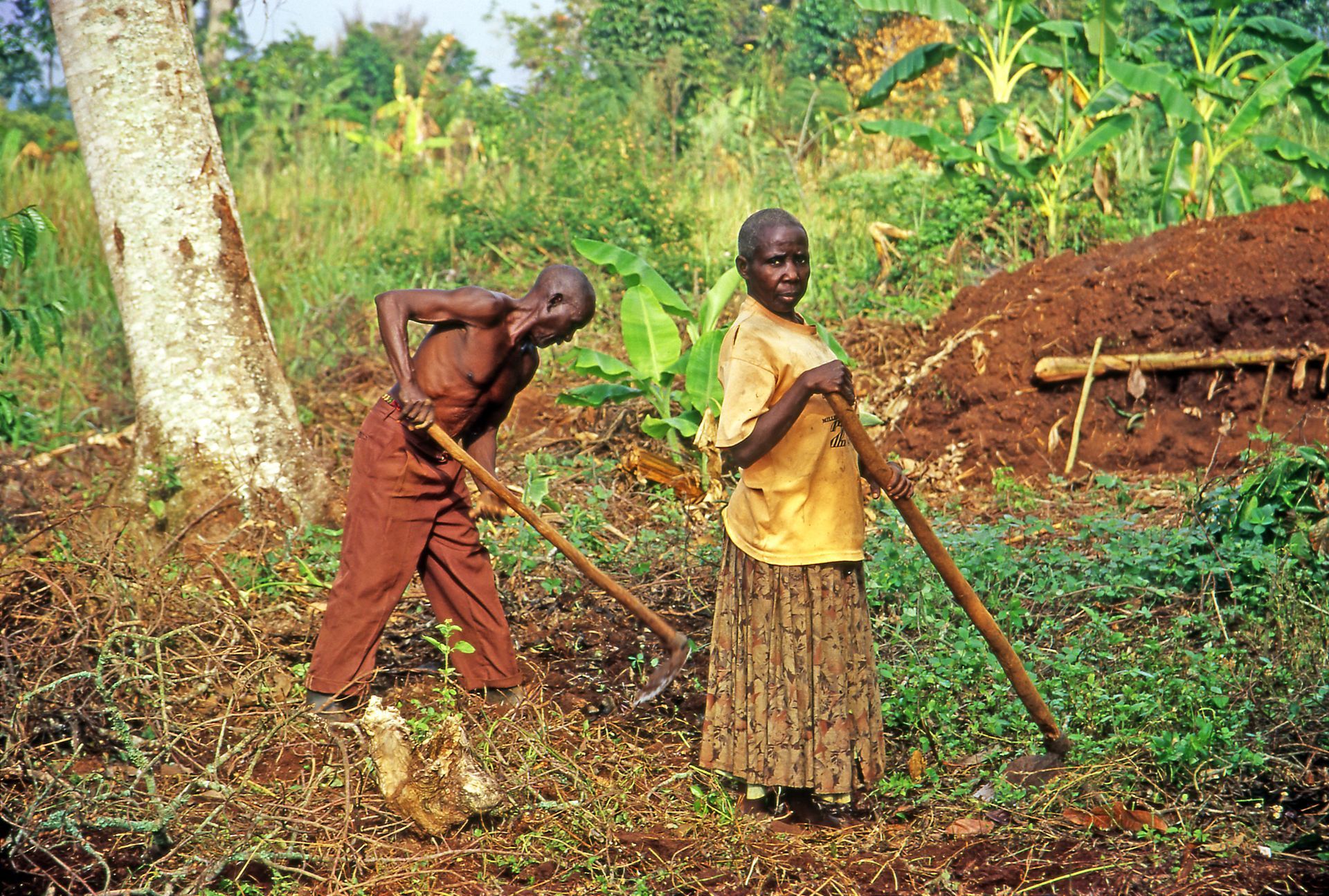
Many rural families face persistent poverty due to limited job opportunities, environmental degradation, and lack of access to clean water. These challenges affect education, health, and food security. Kimara Community Development focuses on skills training, natural resource management, and essential infrastructure to help communities move from dependency to self-reliance.
The Challenge We're Addressing
Communities we serve often face:
- High youth unemployment and limited access to vocational skills
- Environmental degradation, including deforestation and soil depletion
- Lack of clean and reliable water sources, causing disease and hardship
- Limited income-generating opportunities at the community level
Without long-term solutions, these challenges deepen poverty and vulnerability—especially for children and the elderly.
Our Approach: 4 Ways We Strengthen Communities
1) Furniture Apprenticeship & Skills Training
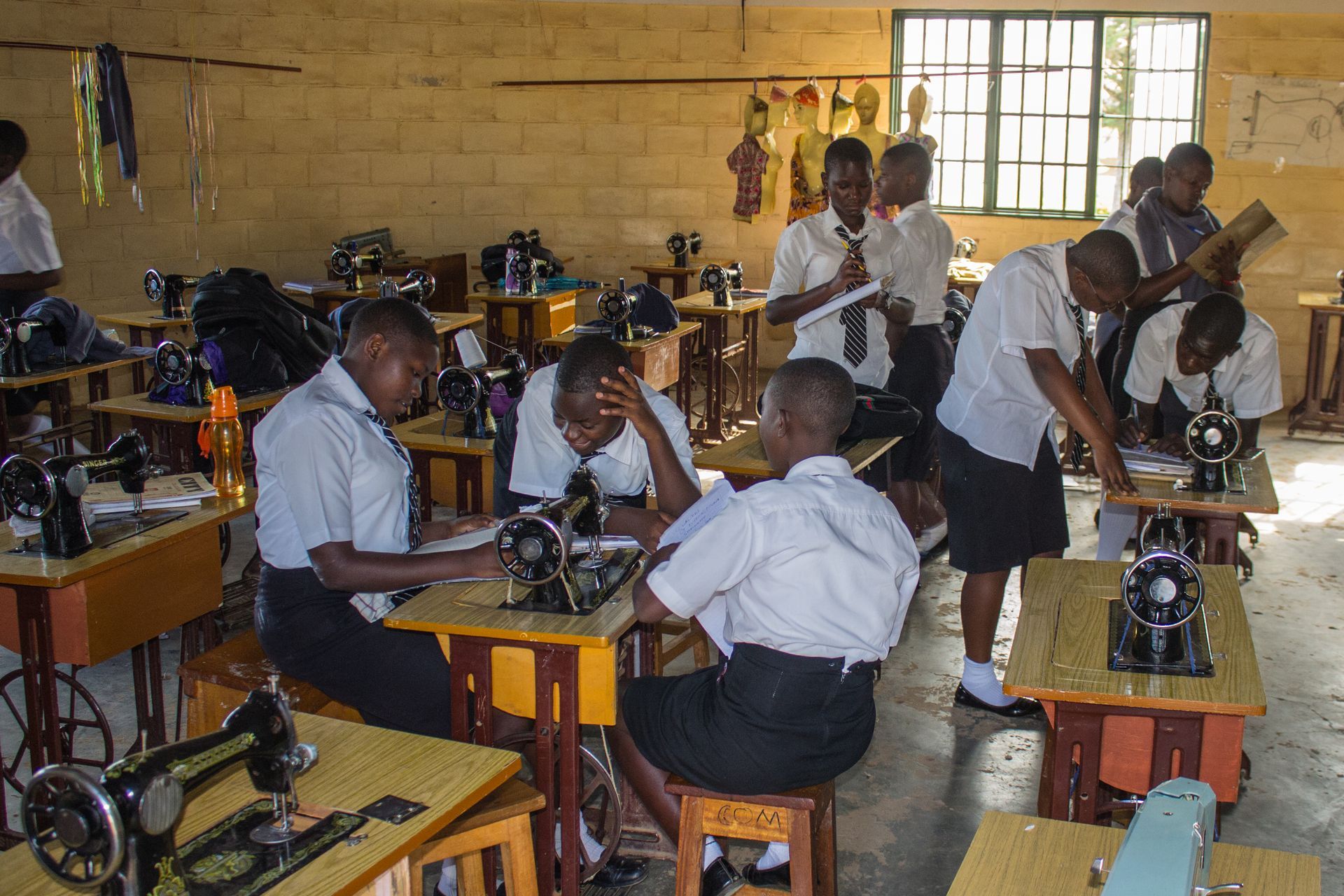
KCD supports youth furniture apprenticeship programs, sending young people to learn practical carpentry and furniture-making skills. In partnership with schools and local workshops, trained youth help communities by repairing school and household furniture while earning income.
What your support can provide:
- Skills training for unemployed youth
- School and community furniture repair
- Long-term income opportunities for young people
2) Beekeeping Training & Community Livelihoods
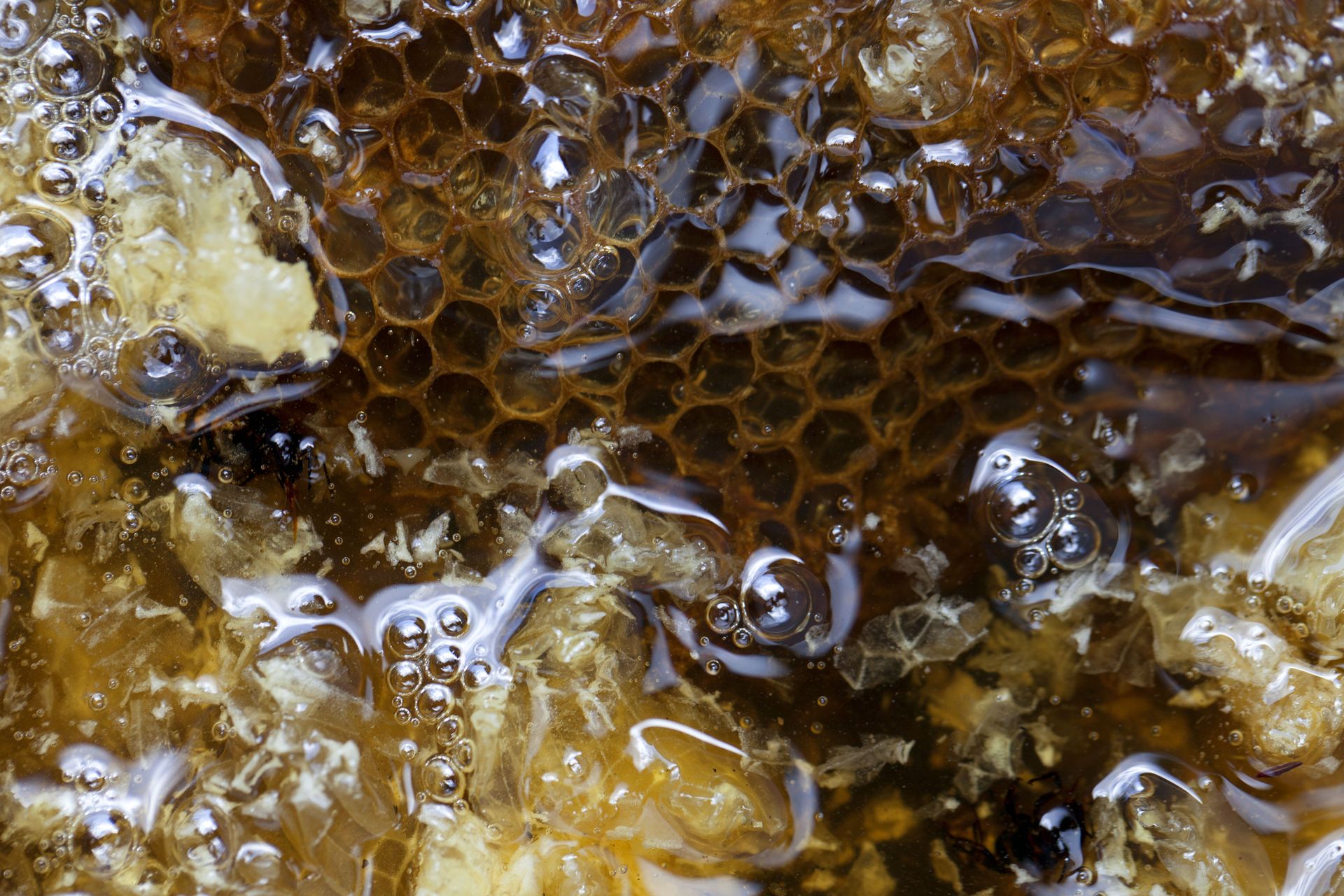
KCD promotes beekeeping training as a sustainable livelihood option that supports household income while protecting the environment. Community members learn how to keep bees safely and productively, generating honey and related products.
Why beekeeping:
- Low-cost, environmentally friendly income source
- Encourages conservation and biodiversity
- Supports household resilience

3) Forestry Training & Tree Planting
Environmental sustainability is essential for future livelihoods. KCD provides forestry training and tree-planting initiatives, helping communities restore degraded land, improve soil quality, and protect water sources.
Program benefits:
- Increased tree cover and environmental protection
- Community education on sustainable land use
- Long-term climate resilience

4) Clean Water Access (Wells & Boreholes)
Access to clean water is foundational to health, education, and economic development. Kimara Community Development trains communities on digging wells and installing boreholes that provide reliable, clean water—especially in drought-affected rural areas.
Through this work, KCD has helped reduce waterborne diseases, long walking distances for water, and school absenteeism caused by water collection.
What this includes:
- Community training on well construction
- Borehole installation using solar and generator-powered systems
- Education on water filtration and safe water use
- Plans to acquire a heavy-duty borehole drilling machine to reach more communities
Community Partnership (How We Work)
KCD believes sustainable development is community-led:
- Train and pay community members fairly for skilled labor
- Partner with local leaders and institutions
- Combine skills training with essential services
- Promote ownership so projects last beyond implementation
Monitor outcomes to ensure support reaches those most in need
Impact We're Creating
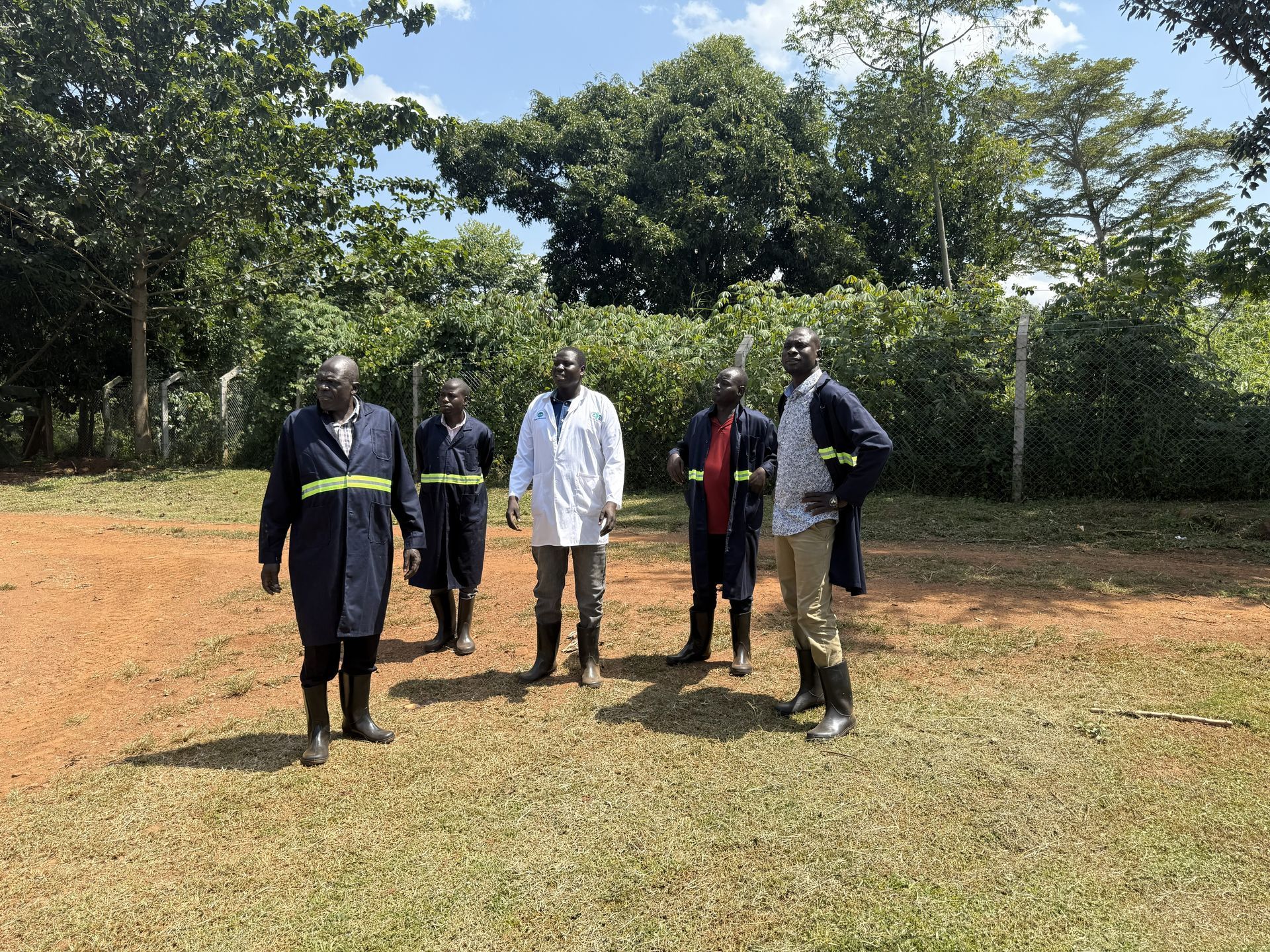
- Youth equipped with employable skills
- New income sources through beekeeping and carpentry
- Improved environmental protection through tree planting
- Reliable access to clean water for families and schools
- Reduced disease and improved daily living conditions
How You Can Help
Support Skills Training: Fund youth apprenticeships and vocational programs.
Support Clean Water:
Help build wells and boreholes for rural communities.
Invest in Livelihoods:
Support beekeeping and forestry training.
Partner With Us:
Collaborate with KCD to scale community solutions.