Building Schools, Building Futures
In many rural parts of Uganda, education is not guaranteed—it is a distant dream.
Across Uganda and much of sub-Saharan Africa, thousands of children grow up without access to formal schooling. Nationally, Uganda has made progress in expanding primary education, yet illiteracy remains high in remote communities, especially those affected by poverty, displacement, and long-term conflict. Children in these areas often attend lessons under trees, walk long distances to overcrowded schools, or never enroll at all.
According to international education estimates, millions of children in Africa remain out of school, with the greatest gaps found in remote and post-conflict regions. Without education, communities face cycles of poverty, unemployment, poor health outcomes, and limited opportunities for future generations.
Education as a Path Out of Poverty
Education is one of the most powerful tools for breaking the cycle of poverty. It equips children with literacy, problem-solving skills, and confidence—enabling them to participate fully in society, access better livelihoods, and contribute to community development.
Kimara Community Development believes that education enables people not only to survive, but to thrive. That belief is what led us to act when we saw communities in Kitgum, Northern Uganda, where children had returned home after years in Internally Displaced Persons (IDP) camps—only to find no schools, no classrooms, and no teachers.
Working With the Community
Rather than imposing solutions, Kimara Community Development began with door-to-door conversations. We met parents, guardians, and community leaders to understand their needs and assess their willingness to support a school-building initiative. The response was overwhelming: families wanted education for their children, but lacked the resources to make it happen.
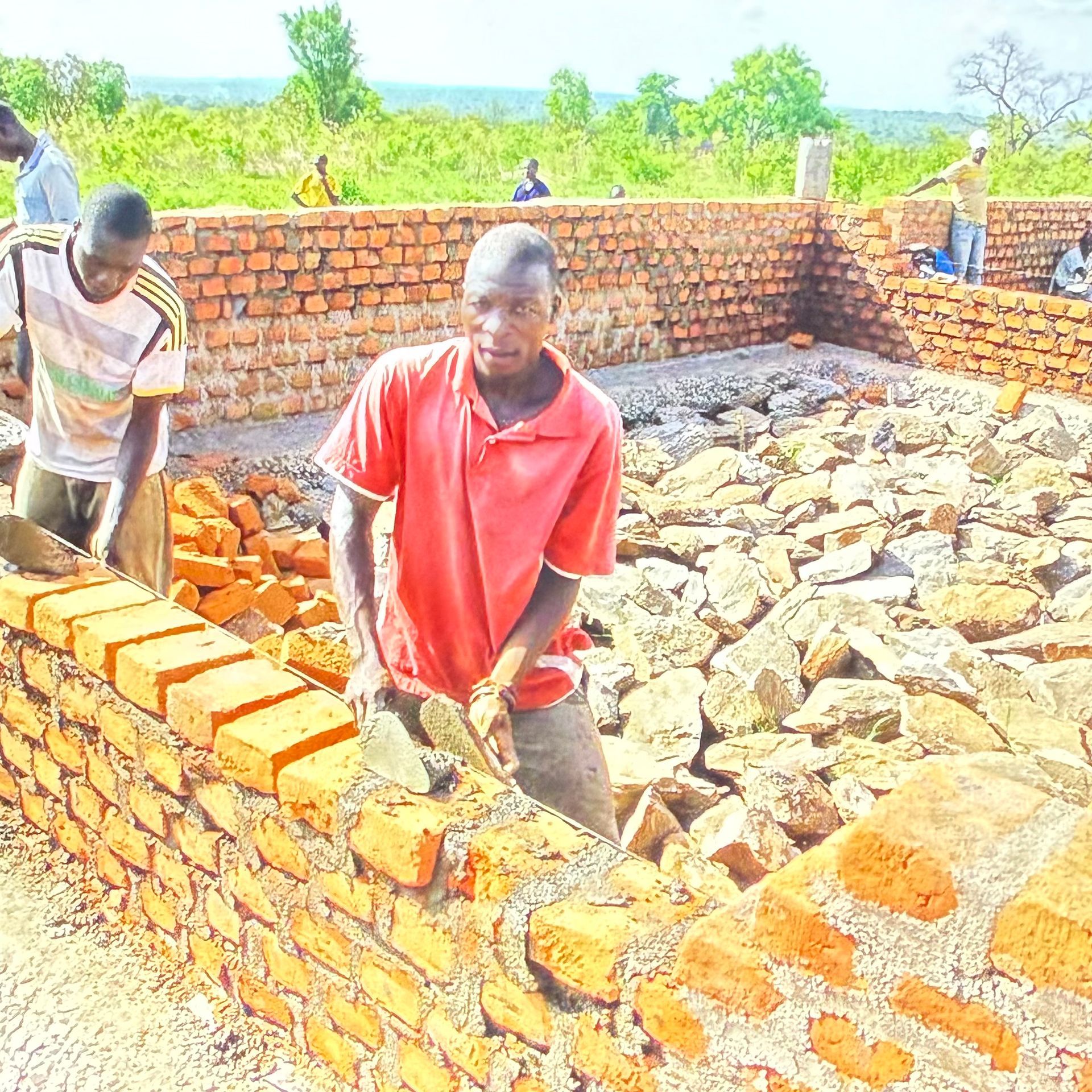
Together with the community, we began constructing primary schools with 10 classrooms, providing learning spaces from Primary 1 through Primary 7, along with offices and storage rooms. For the first time, children no longer had to sit under trees to learn.
Parents contributed land, sand, bricks, and labor. Skilled community members volunteered their construction expertise. The school became a shared symbol of hope and ownership.
Overcoming Teacher Shortages
One of the greatest challenges in remote areas is attracting qualified teachers. Many schools are far from towns and lack electricity, clean water, and basic amenities. As a result, few trained teachers are willing to relocate.
To address this, Kimara Community Development trained community members who had basic education and recruited retired teachers willing to volunteer. This ensured children could begin learning immediately while long-term solutions were developed.
Parents now help pay modest teacher stipends through Parent-Teacher Associations (PTAs), which also oversee school management and accountability after construction is complete.
Beyond Classrooms: Vocational Skills for Youth
Education does not stop at primary school. Kimara Community Development also supports vocational training programs for youth who missed formal education due to conflict or poverty. These programs include carpentry, joinery, bricklaying, and construction skills, equipping young people with practical trades they can use to earn income and support their families.
A Sustainable Vision for the Future
Each school built by Kimara Community Development costs approximately $30,000, covering materials, labor, permits, and construction. After completion, schools are handed over to local PTAs to ensure sustainability and community ownership
Looking ahead, Kimara Community Development plans to invest in a block-moulding machine to speed up construction, improve safety, and reduce costs—allowing even more schools to be built in underserved areas.
Why This Matters
When children gain access to education:
- Literacy rates improve
- Early marriage and child labor decline
- Health outcomes improve
- Communities grow stronger and more resilient
Education creates leaders, teachers, health workers, and problem-solvers who will one day return to uplift their own communities.
At Kimara Community Development, we are not just building schools—we are building futures, restoring dignity, and giving children the opportunity to dream beyond survival.