In many rural villages, families want their children in school—but distance, poverty, and a lack of classrooms and trained teachers keep students out of learning. Kimara Community Development is changing that by building schools, supporting students with school fees, and investing in teacher development so education can take root and last.
Why Education (and Why Now)
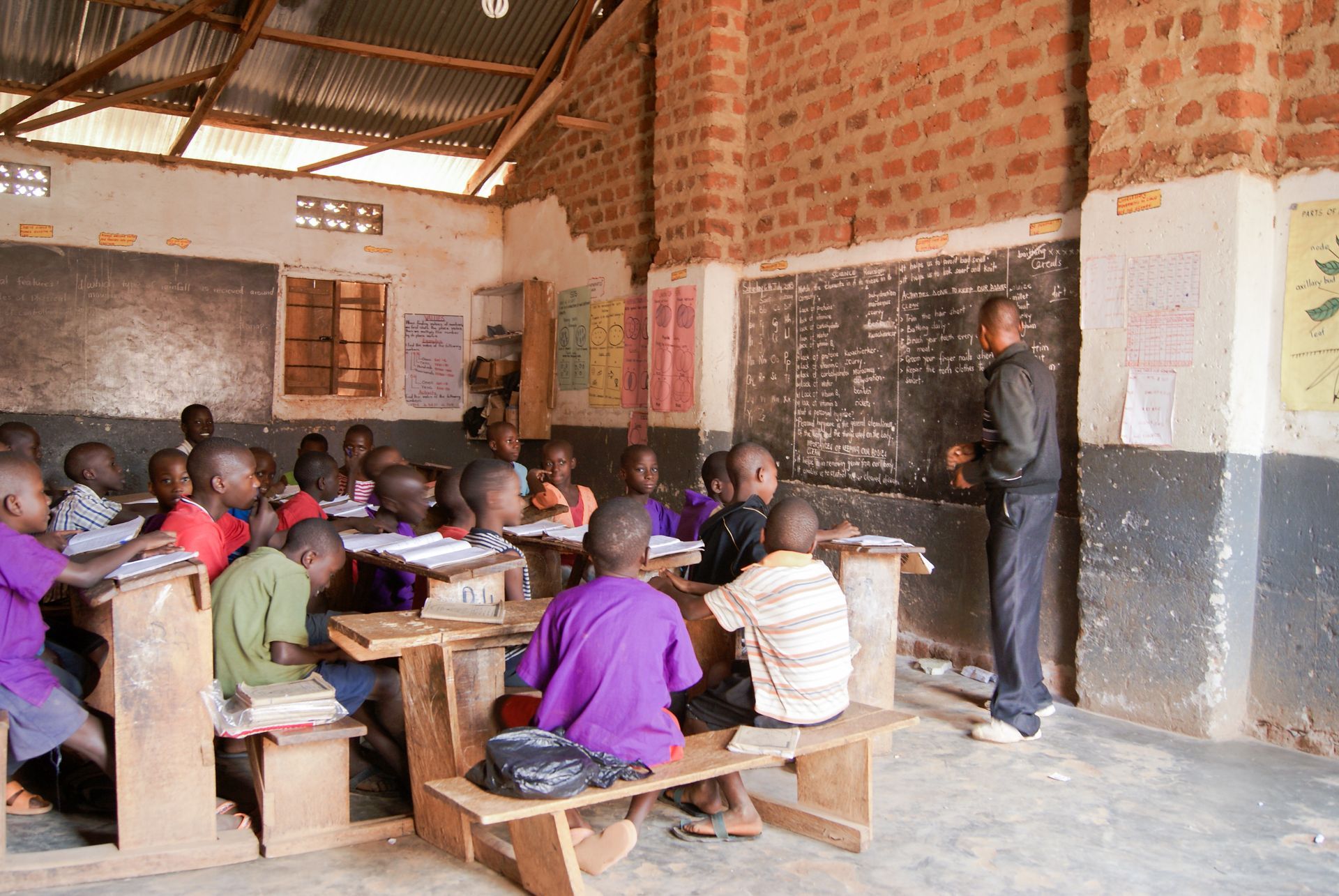
Education is one of the strongest long-term solutions to poverty—helping children gain knowledge, skills, confidence, and opportunity. Yet access remains out of reach in many remote areas. Kimara’s work responds to this gap by partnering with communities to bring learning closer to home and make school possible for children who otherwise would be left behind.
The Challenge We're Addressing
In the communities we serve, education barriers often look like this:
- Families can’t afford school fees. When households are struggling to meet basic needs, paying for education becomes impossible—deepening cycles of poverty.
- Schools are too far away. Many children live far from the nearest school, making daily attendance unsafe or unrealistic.
- Not enough teachers in remote areas. Distance from towns—often with limited electricity, clean water, or basic supplies—makes teacher recruitment difficult, so schools struggle to operate consistently.
Our Approach: 4 Ways We Promote Education

1) Sponsor Students to Attend School
In many places, there is no “free education.” Families must pay school-related fees, and many cannot. Kimara helps bridge this gap by sponsoring students so children can enroll, attend consistently, and stay focused on learning.
What your support can provide:
- School fees and essential learning needs
- Reduced dropout risk caused by financial hardship
- Hope for students to progress to higher levels of education
Long-term goal: Support more students to reach university level and return as leaders and changemakers in their communities.

2) Build Schools in Remote Villages
Kimara works side-by-side with local communities to build schools where children previously had no nearby access—so learning doesn’t have to happen under a tree.
In Kitgum, Northern Uganda, Kimara began with door-to-door community meetings to understand needs and confirm community commitment before building.
Our school building model includes 10 rooms—supporting classes from P1 to P7, plus space for an office and storage.
Cost & what it includes:
Kimara provides construction resources (bricks, cement, iron sheets, permits, and labor) at no cost to the community, and the estimated cost to fully build one school is
about $30,000.

3) Teacher Development and Placement Support
A school building is only the beginning—students also need teachers who are supported and prepared.
Because recruiting qualified teachers to remote areas can be difficult, Kimara helps fill the gap by training community members with schooling who can teach, and by engaging retired teachers where possible to support learning continuity.
What teacher development can include:
- Practical teaching skills and classroom management
- Ongoing professional development and mentoring
- Community-based placement support where recruitment is limited
4) Providing School Supplies for Children from Low-Income Families
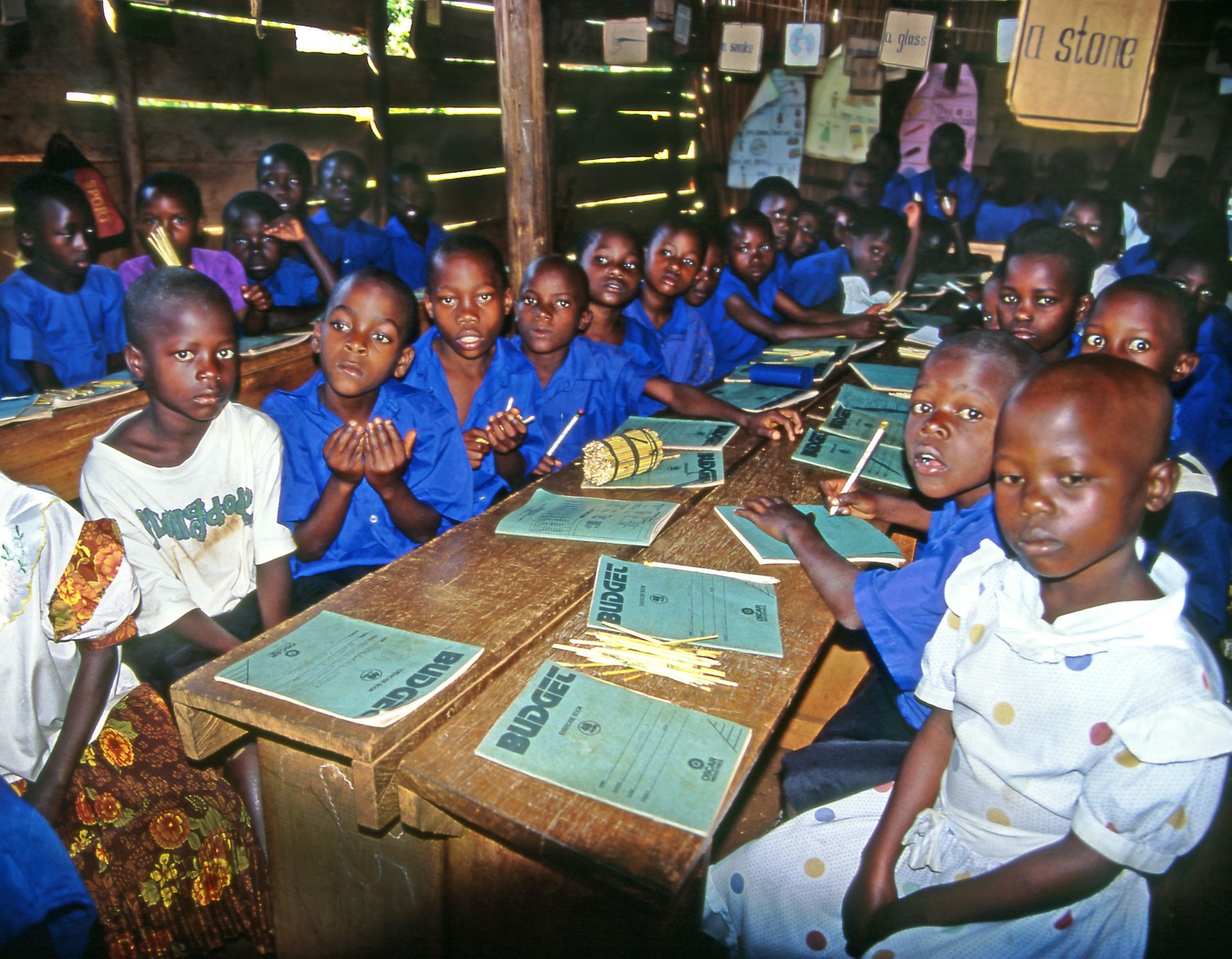
We also support low-income families by providing children with essential scholastic materials such as school bags, books, and learning tools - including electronics when needed. This helps ensure that every child has what they need to participate fully in school, stay motivated, and continue their education with confidence.

Expanding Capacity: Building Faster and Safer
To build more schools efficiently, Kimara plans to purchase a block moulding machine (estimated $25,000 to purchase and install). Larger blocks can speed up construction and improve safety.
Help us buy a block moulding machine.
Your gift accelerates school builds and expands access for hundreds of children.

Vocational Skills as Part of Education Pathways
Education also means preparing youth with employable skills. Alongside school access, Kimara supports practical training that can help young people earn income and build stable futures.

How You Can Help
Support the Food Bank: Help provide food to elderly and vulnerable families.
Support Maternal & Child Nutrition: Fund food and monthly nutrition training for mothers.
Fund Poultry Farming: Expand egg production to reach more children and pregnant women.
Partner With Us: Join KCD in building sustainable nutrition solutions.